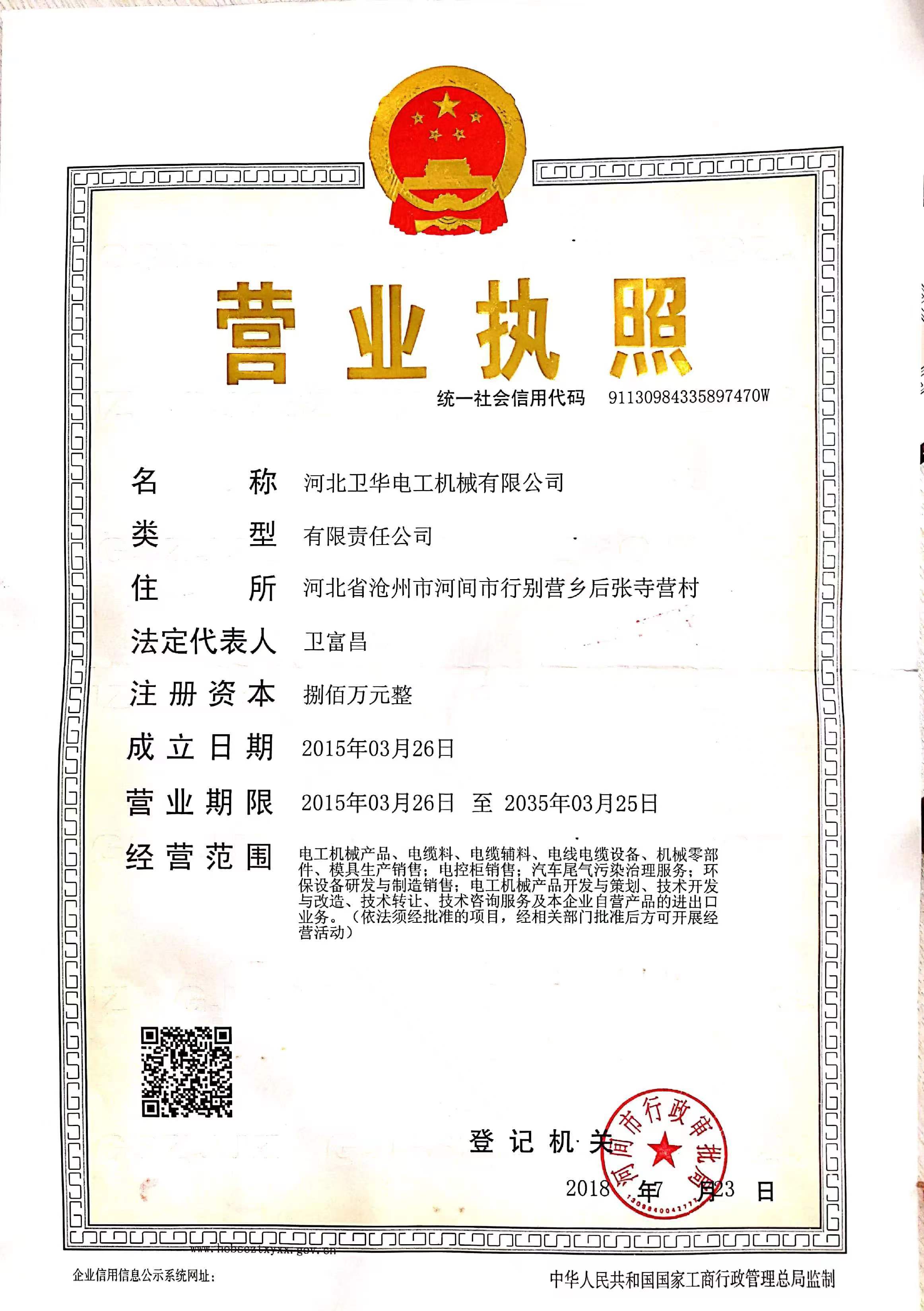
Weihua Electrical Machinery is a professional manufacturer of electrical machinery products integrating design, production, sales and service.




Exploring Innovations in Wire and Cable Extrusion Production Line Technology
2025-05-25 13:00

Exploring Innovations in Wire and Cable Extrusion Production Line Technology
Table of Contents
- 1. Introduction to Wire and Cable Extrusion Production Lines
- 2. Historical Overview of Extrusion Technology
- 3. Recent Technological Advancements in Extrusion Processes
- 4. The Role of Automation in Modern Extrusion Lines
- 5. Sustainability Initiatives in Wire and Cable Production
- 6. Quality Control Methods in Extrusion
- 7. Future Trends in Wire and Cable Extrusion Technology
- 8. Conclusion: The Future of Wire and Cable Extrusion
- 9. FAQs About Wire and Cable Extrusion
1. Introduction to Wire and Cable Extrusion Production Lines
The **wire and cable extrusion production line** serves as a central component in the manufacturing of electrical conductors. This process involves the shaping of thermoplastic materials around conductive cores, ensuring both conductivity and insulation. As industries evolve, the demand for more efficient, high-quality production methods has led to significant innovations within this field. In this article, we will explore the latest developments in extrusion technology, emphasizing their importance in enhancing productivity, sustainability, and overall product quality.
2. Historical Overview of Extrusion Technology
Understanding the historical context of **wire and cable extrusion technology** is essential for appreciating its current advancements. The extrusion process has been around since the early 19th century when it was primarily used for shaping metals and other materials. The introduction of thermoplastics in the mid-20th century marked a significant milestone, allowing for the efficient production of insulated wiring. Over the decades, the process has been refined through various technological innovations, leading to today's state-of-the-art production lines.
2.1 The Evolution of Materials
Initially, traditional materials such as rubber and cotton were used for insulation. The advent of synthetic materials, particularly PVC and polyethylene, revolutionized the industry. These materials not only improved insulating properties but also enhanced the durability and longevity of the cables produced.
2.2 Key Milestones in Extrusion Technologies
Significant milestones include the development of co-extrusion techniques, which allow multiple materials to be extruded simultaneously. This technology has paved the way for creating cables with enhanced performance characteristics, such as improved thermal resistance and flexibility.
3. Recent Technological Advancements in Extrusion Processes
Recent years have witnessed remarkable technological advancements in **extrusion processes**. These innovations are aimed at improving efficiency and product quality while reducing operational costs.
3.1 Advanced Extrusion Equipment
The introduction of high-efficiency extruders has dramatically increased production speeds. These machines are designed to maintain consistent temperatures and material flow, resulting in higher-quality products with fewer defects.
3.2 Enhanced Process Monitoring and Control
The integration of **Industry 4.0 technologies** has transformed the way extrusion lines operate. Real-time monitoring systems utilize sensors and IoT technologies to track production metrics, enabling immediate adjustments to enhance quality and reduce waste.
4. The Role of Automation in Modern Extrusion Lines
Automation plays a vital role in modern wire and cable extrusion production lines. Automated systems reduce human error, increase production speeds, and ensure consistency in product quality.
4.1 Smart Extrusion Lines
Smart technology integrations, such as machine learning algorithms, help in predicting maintenance needs and optimizing production schedules. This predictive maintenance approach minimizes downtime and enhances overall productivity.
4.2 Robotics in Extrusion
Robotic systems are increasingly being used for material handling and packaging, streamlining the entire production process. By automating these labor-intensive tasks, manufacturers can focus their workforce on more complex functions, further enhancing operational efficiency.
5. Sustainability Initiatives in Wire and Cable Production
With growing global concerns over environmental sustainability, the wire and cable industry has adopted various initiatives to reduce its ecological footprint.
5.1 Use of Recyclable Materials
The shift towards using recyclable materials for insulation and coatings not only complies with regulatory requirements but also appeals to environmentally conscious consumers. Manufacturers are increasingly adopting **bio-based plastics** and other sustainable materials to produce cables.
5.2 Energy-Efficient Production Techniques
Energy consumption is a significant concern in the extrusion process. Innovations in energy-efficient machinery and the optimization of production processes contribute to lower energy usage, reducing costs and environmental impact.
6. Quality Control Methods in Extrusion
Maintaining high-quality standards is crucial in the wire and cable industry. Advanced quality control measures are now integral to the extrusion process.
6.1 Inline Quality Assurance
Inline inspection systems utilize advanced imaging technology to detect defects during production. This real-time feedback allows for immediate corrective actions, significantly reducing the number of off-spec products.
6.2 Testing and Certification
Post-production testing remains essential for conforming to industry standards. Manufacturers often subject their products to rigorous testing for electrical conductivity, insulation resistance, and mechanical strength to ensure compliance with various safety certifications.
7. Future Trends in Wire and Cable Extrusion Technology
As we look to the future, several trends are emerging that will shape the wire and cable extrusion landscape.
7.1 Digital Transformation in Manufacturing
The ongoing digital transformation is set to redefine manufacturing processes. The rise of cloud computing and AI will facilitate smarter production lines capable of real-time data analysis and decision-making.
7.2 Customization and Flexibility
As demand for customized solutions increases, the ability to produce specialized wire and cable with varying specifications will become essential. Advances in extrusion technology will enable manufacturers to offer greater flexibility in their production processes without compromising efficiency.
8. Conclusion: The Future of Wire and Cable Extrusion
The innovations in wire and cable extrusion production line technology are creating a more efficient, sustainable, and quality-driven industry. As technology continues to advance, we can expect even greater improvements that will not only enhance production capabilities but will also address environmental concerns. The future of this industry is bright, with endless possibilities for innovation and growth.
9. FAQs About Wire and Cable Extrusion
1. What is the process of wire and cable extrusion?
The wire and cable extrusion process involves melting thermoplastic materials and forming them around conductive cores to create insulated cables.
2. What materials are commonly used in cable insulation?
Common materials include PVC, polyethylene, and various thermoplastic elastomers, each selected for their unique insulating properties.
3. How does automation improve the extrusion process?
Automation enhances the extrusion process by reducing manual labor, minimizing human error, and increasing production speeds through smart technologies.
4. What are the environmental impacts of wire and cable production?
The wire and cable production process can lead to significant energy consumption and waste. However, advancements in sustainable materials and energy-efficient processes are helping to mitigate these impacts.
5. How important is quality control in wire and cable extrusion?
Quality control is crucial in ensuring that products meet industry standards for safety and performance. Effective quality measures help reduce defects and ensure customer satisfaction.
Exploring Innovations in Wire and Cable Extrusion Production Line Technology
recommend reading
Key Features to Look for in a Cold Feed Rubber Extruder for Electrical Wiring
Key Features to Look for in a Cold Feed Rubber Extruder for Electrical Wiring Understanding Cold Feed Rubber Extruders Cold feed rubber extruders play a crucial role in the manufacturing of electrical wiring. These machines process raw rubber materials into various forms, ensuring they meet specific standards for electrical applications. Understanding the key features of cold feed rubber extruders
Understanding Rubber Extruders: Key Insights for the Electrical Industry
In the electrical and cable industry, the rubber extruder plays a pivotal role in the manufacturing process, particularly when it comes to producing insulation and jacketing for wires and cables. A rubber extruder is a machine that shapes rubber materials into specific profiles or forms by forcing them through a die. Understanding the fundamentals of rubber extruders can significantly enhance oper
The Essential Guide to Cable Types in Production Lines
The Essential Guide to Cable Types in Production Lines Table of Contents Introduction to Cable Types in Production Lines Understanding Different Types of Cables Single-Core vs. Multi-Core Cables: Which Is Right for You? Types of Cables Commonly Used in Production Lines Power Cables Control Cables Data Cables Specialty Cables
The Essential Role of Plastic Extruders in Cable Manufacturing
Plastic extruders play a pivotal role in the modern manufacturing of electrical wires and cables, particularly in the creation of insulation and protective coatings that ensure durability and performance. These machines are designed to melt plastic pellets and then force the molten material through a die to create continuous shapes, making them indispensable in the production of various cable comp
Comparative Analysis: Different Types of Wire and Cable Extrusion Production Lines
Comparative Analysis: Different Types of Wire and Cable Extrusion Production Lines Introduction to Wire and Cable Extrusion Extrusion is a critical process in the production of wires and cables. This procedure involves forcing molten material through a die to create a continuous product with a fixed cross-sectional profile. In the context of the electrical industry, wires and cables are pivotal fo
Understanding Cold Feed Rubber Extruders: A Key Component in Electrical Wire and Cable Manufacturing
In the realm of electrical wire and cable manufacturing, the cold feed rubber extruder stands out as a pivotal technology. This specialized piece of equipment is designed to process rubber compounds at ambient temperatures, offering several advantages over traditional extrusion methods. Understanding the functionality and benefits of cold feed rubber extruders can help manufacturers optimize their