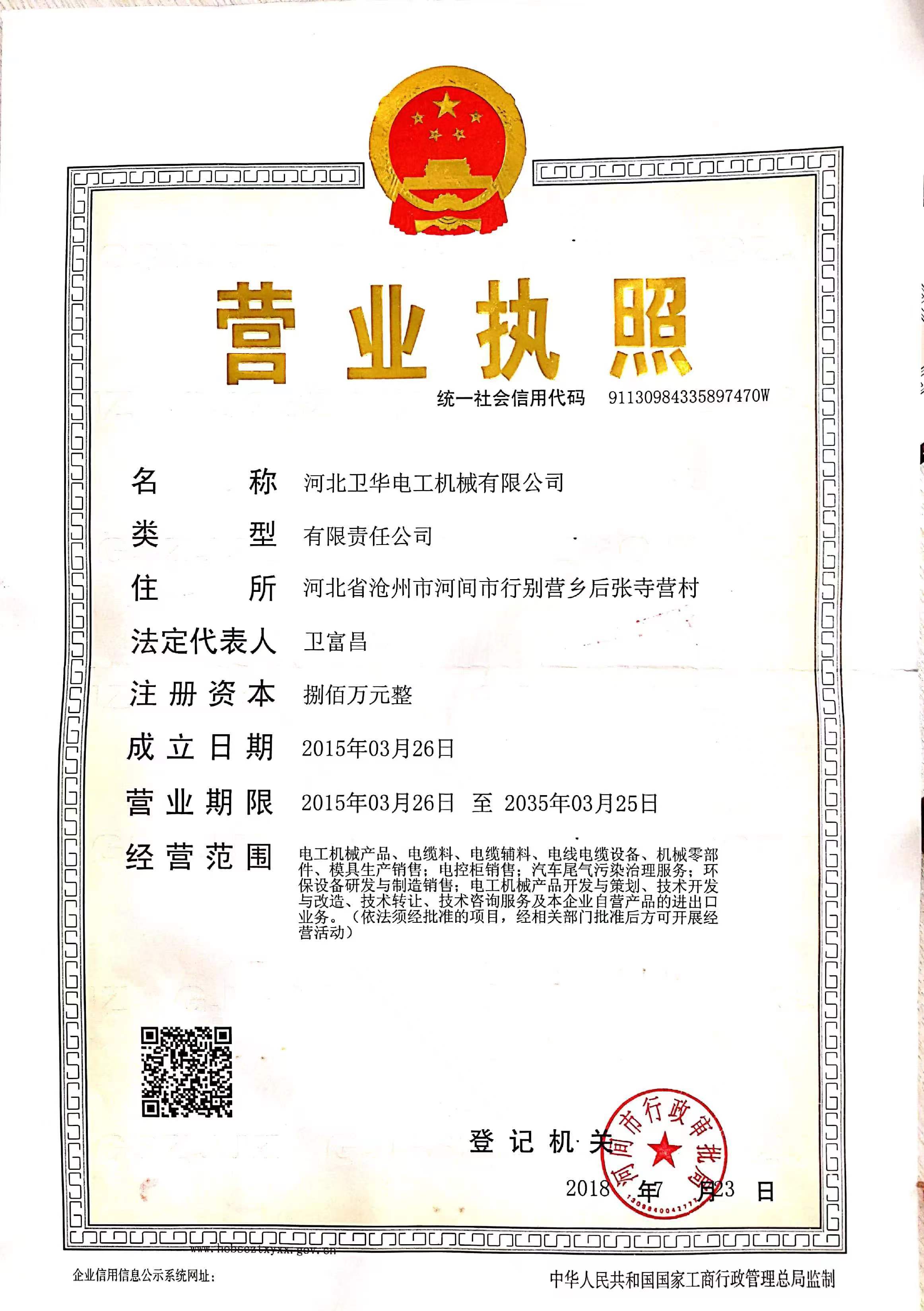
Weihua Electrical Machinery is a professional manufacturer of electrical machinery products integrating design, production, sales and service.




A Comprehensive Guide to Choosing the Right Wire and Cable Extrusion Production Line
2025-05-23 14:00

A Comprehensive Guide to Choosing the Right Wire and Cable Extrusion Production Line
As the demand for high-quality electrical wires and cables continues to rise, choosing the right extrusion production line becomes crucial for manufacturers. Whether you're an established player or a newcomer in the electric and electrical industry, understanding how to select the appropriate equipment can significantly impact your production quality, efficiency, and overall profitability.
Table of Contents
1. Importance of Choosing the Right Extrusion Production Line
2. Types of Wire and Cable Extrusion Production Lines
- 2.1 Single-Screw Extrusion Lines
- 2.2 Twin-Screw Extrusion Lines
3. Key Factors to Consider When Choosing an Extrusion Line
- 3.1 Production Capacity
- 3.2 Material Compatibility
- 3.3 Energy Efficiency
4. Technological Features to Look For
- 4.1 Control Systems
- 4.2 Automation Capabilities
- 4.3 Quality Control Mechanisms
5. Budget Considerations
6. Researching and Selecting a Supplier
7. Maintenance and Support Services
8. Conclusion
9. Frequently Asked Questions
Importance of Choosing the Right Extrusion Production Line
Selecting the correct wire and cable extrusion production line is not just about purchasing machinery; it's about investing in your business's future. The right equipment can help ensure consistent product quality, reduce waste, and enhance overall productivity. Conversely, a poorly chosen production line may lead to frequent breakdowns, increased operational costs, and delays in meeting customer demands.
Types of Wire and Cable Extrusion Production Lines
Understanding the different types of extrusion lines available is the first step in making an informed decision.
Single-Screw Extrusion Lines
Single-screw extrusion lines are the most common type used for wire and cable production. They are known for their simplicity, low cost, and versatility. These lines are suitable for a wide range of materials and are ideal for manufacturers looking to start with a basic setup. However, they may not be the best choice for high-throughput applications or complex material compositions.
Twin-Screw Extrusion Lines
Twin-screw extrusion lines offer improved mixing capabilities and are ideal for processing more complex materials, including compounds with additives. They provide better heat distribution and material homogeneity, making them suitable for high-performance wires and cables. However, they tend to be more expensive and require more maintenance than single-screw systems.
Key Factors to Consider When Choosing an Extrusion Line
When selecting an extrusion production line, several critical factors need consideration to ensure optimal performance and efficiency.
Production Capacity
Assess your production needs and choose an extrusion line that can handle the volume of wire and cable you intend to manufacture. Factors like batch size, production speed, and the ability to scale operations should influence your decision.
Material Compatibility
Different extrusion lines are designed to work with specific materials. Ensure that the line you choose can efficiently process the types of polymers or compounds required for your wire and cable products. Compatibility affects both the quality and efficiency of production.
Energy Efficiency
Energy costs are a significant consideration in manufacturing. Opting for an energy-efficient extrusion line can lead to substantial savings over time. Look for lines that offer advanced energy-saving features, such as variable speed drives and optimized heating systems.
Technological Features to Look For
Modern extrusion lines come equipped with various technological advancements that can enhance production efficiency and product quality.
Control Systems
Sophisticated control systems allow for precise monitoring and adjustment of the extrusion process. Features such as digital displays, automated settings, and real-time data analysis can greatly enhance your production capabilities.
Automation Capabilities
Automation in extrusion lines can help reduce labor costs and improve consistency. Look for lines that offer automated setup, monitoring, and adjustment features to streamline production and minimize human error.
Quality Control Mechanisms
Incorporating quality control mechanisms directly within the extrusion process can help maintain product standards. Systems that provide inline inspection and monitoring can detect issues in real-time, reducing waste and rework costs.
Budget Considerations
Your budget will play a significant role in your choice of extrusion production line. While it may be tempting to go for the cheapest option, consider the long-term costs associated with maintenance, energy consumption, and potential downtime. Investing in a high-quality machine may yield better returns in the long run.
Researching and Selecting a Supplier
Once you’ve narrowed down your options, researching potential suppliers is critical. Look for manufacturers with a solid reputation, proven track records, and excellent customer support. Read reviews, seek recommendations, and request quotes to compare offerings.
Maintenance and Support Services
Regular maintenance is essential for the longevity of your extrusion line. Choose a supplier that provides comprehensive support services, including training for your staff, spare parts availability, and quick response times for repairs.
Conclusion
Choosing the right wire and cable extrusion production line is a significant investment that can streamline your operations and enhance your product quality. By considering factors such as production capacity, material compatibility, technological features, and supplier reliability, you can make an informed decision that aligns with your business goals. With the right equipment, your manufacturing process will be more efficient, ultimately leading to greater customer satisfaction and increased profitability.
Frequently Asked Questions
1. What is an extrusion production line?
An extrusion production line is a set of machinery used to produce wire and cable by forcing material through a die to create specific shapes and sizes.
2. How do I determine the right production capacity for my needs?
Assess your expected production volume, market demand, and growth plans. Consider equipment that can handle current needs while allowing for future scalability.
3. What materials can be used in wire and cable extrusion?
Common materials include PVC, PE, XLPE, and rubber. The compatibility of materials depends on the specific extrusion line chosen.
4. Is it necessary to have automation in an extrusion line?
While not necessary, automation can significantly enhance efficiency, reduce labor costs, and improve consistency in production.
5. How often should I maintain my extrusion production line?
Regular maintenance schedules should be followed based on manufacturer recommendations, typically ranging from monthly to quarterly inspections, depending on usage and operational conditions.
By following the guidelines outlined in this article, manufacturers can confidently choose the right wire and cable extrusion production line that meets their specific needs and enhances their production capabilities.
A Comprehensive Guide to Choosing the Right Wire and Cable Extrusion Production Line
recommend reading
Key Features to Look for in a Cold Feed Rubber Extruder for Electrical Wiring
Key Features to Look for in a Cold Feed Rubber Extruder for Electrical Wiring Understanding Cold Feed Rubber Extruders Cold feed rubber extruders play a crucial role in the manufacturing of electrical wiring. These machines process raw rubber materials into various forms, ensuring they meet specific standards for electrical applications. Understanding the key features of cold feed rubber extruders
Understanding Rubber Extruders: Key Insights for the Electrical Industry
In the electrical and cable industry, the rubber extruder plays a pivotal role in the manufacturing process, particularly when it comes to producing insulation and jacketing for wires and cables. A rubber extruder is a machine that shapes rubber materials into specific profiles or forms by forcing them through a die. Understanding the fundamentals of rubber extruders can significantly enhance oper
The Essential Guide to Cable Types in Production Lines
The Essential Guide to Cable Types in Production Lines Table of Contents Introduction to Cable Types in Production Lines Understanding Different Types of Cables Single-Core vs. Multi-Core Cables: Which Is Right for You? Types of Cables Commonly Used in Production Lines Power Cables Control Cables Data Cables Specialty Cables
The Essential Role of Plastic Extruders in Cable Manufacturing
Plastic extruders play a pivotal role in the modern manufacturing of electrical wires and cables, particularly in the creation of insulation and protective coatings that ensure durability and performance. These machines are designed to melt plastic pellets and then force the molten material through a die to create continuous shapes, making them indispensable in the production of various cable comp
Comparative Analysis: Different Types of Wire and Cable Extrusion Production Lines
Comparative Analysis: Different Types of Wire and Cable Extrusion Production Lines Introduction to Wire and Cable Extrusion Extrusion is a critical process in the production of wires and cables. This procedure involves forcing molten material through a die to create a continuous product with a fixed cross-sectional profile. In the context of the electrical industry, wires and cables are pivotal fo
Understanding Cold Feed Rubber Extruders: A Key Component in Electrical Wire and Cable Manufacturing
In the realm of electrical wire and cable manufacturing, the cold feed rubber extruder stands out as a pivotal technology. This specialized piece of equipment is designed to process rubber compounds at ambient temperatures, offering several advantages over traditional extrusion methods. Understanding the functionality and benefits of cold feed rubber extruders can help manufacturers optimize their