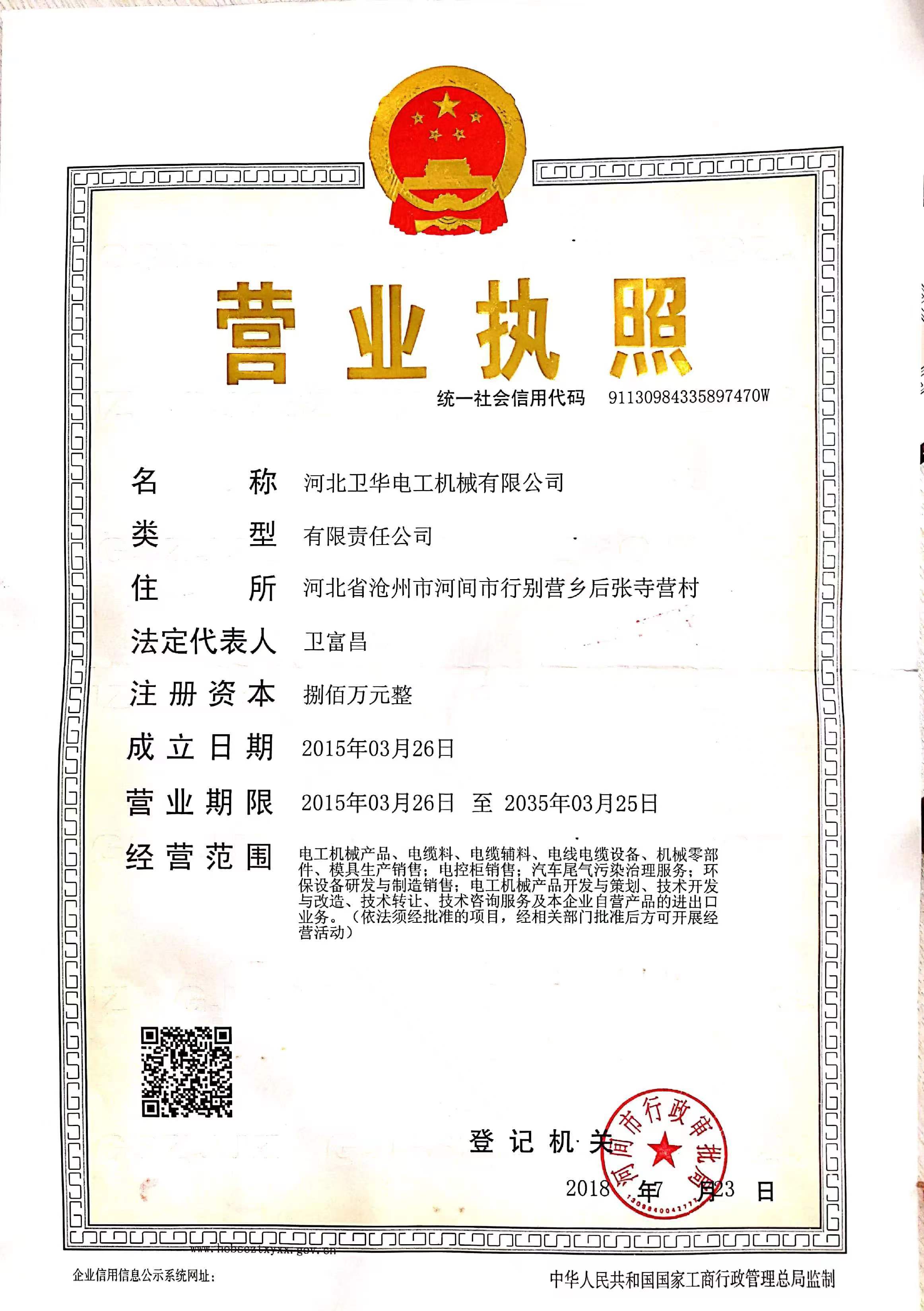
Weihua Electrical Machinery is a professional manufacturer of electrical machinery products integrating design, production, sales and service.




How a Plastic Extruder Enhances Cable Manufacturing Efficiency
2025-05-21 12:40

How a Plastic Extruder Enhances Cable Manufacturing Efficiency
Table of Contents
1. Understanding Plastic Extrusion in Cable Manufacturing
2. The Role of Plastic Extruders in Cable Production
3. Advantages of Using Plastic Extruders
3.1 Improved Production Speed
3.2 Enhanced Material Consistency
3.3 Cost-Effective Manufacturing
3.4 Flexibility in Design and Application
4. Key Components of a Plastic Extruder
4.1 The Hopper
4.2 The Barrel
4.3 The Screw
4.4 The Die
5. Innovations in Plastic Extrusion Technology
6. Best Practices in Cable Manufacturing with Plastic Extruders
7. Common Challenges and Solutions in Plastic Extrusion
8. FAQs about Plastic Extruders and Cable Manufacturing
9. Conclusion
1. Understanding Plastic Extrusion in Cable Manufacturing
Plastic extrusion is a fundamental process in the cable manufacturing industry. It involves melting plastic resin and forcing it through a die to create continuous shapes, such as the insulation and sheathing for electrical cables. This method enables manufacturers to produce cables of various sizes and configurations efficiently. As the demand for high-quality cables grows, understanding the role of plastic extruders becomes increasingly essential.
2. The Role of Plastic Extruders in Cable Production
Plastic extruders serve as the backbone of modern cable manufacturing. These machines not only produce the outer insulation of cables but also create complex internal structures that enhance electrical performance. By utilizing advanced plastic extrusion techniques, manufacturers can achieve superior product quality and consistency.
3. Advantages of Using Plastic Extruders
3.1 Improved Production Speed
One of the most significant advantages of using plastic extruders in cable manufacturing is the **improved production speed**. Traditional methods are often slow and labor-intensive, whereas extrusion allows for continuous production, significantly reducing lead times. This efficiency ensures that manufacturers can meet increasing market demands without compromising quality.
3.2 Enhanced Material Consistency
Plastic extrusion contributes to **enhanced material consistency**, a critical factor in cable manufacturing. The controlled environment of extrusion minimizes variations in thickness and density, ensuring that every cable produced meets stringent quality standards. This uniformity not only improves performance but also reduces the risk of failures in electrical applications.
3.3 Cost-Effective Manufacturing
The use of plastic extruders is also a **cost-effective manufacturing solution**. By reducing waste and optimizing material use, manufacturers can lower production costs significantly. Additionally, the high throughput of extruders means fewer labor hours are required, further decreasing expenses.
3.4 Flexibility in Design and Application
Plastic extrusion technology offers remarkable **flexibility in design and application**. Manufacturers can easily adjust parameters such as temperature, pressure, and speed to create customized cables tailored to specific needs. This adaptability allows for innovation in cable design, contributing to the development of high-performance cables suitable for various industries.
4. Key Components of a Plastic Extruder
To fully appreciate the efficiency of plastic extrusion in cable manufacturing, it's essential to understand the key components involved in the process.
4.1 The Hopper
The hopper is the entry point for raw materials into the extruder. It feeds plastic pellets into the machine, ensuring a consistent supply of material for extrusion.
4.2 The Barrel
The barrel is where the plastic is heated and melted. This component plays a critical role in achieving the desired viscosity for proper extrusion.
4.3 The Screw
The screw is a vital component that mixes, conveys, and compresses the material as it moves through the barrel. The design of the screw affects the extrusion process's efficiency and the quality of the final product.
4.4 The Die
The die shapes the melted plastic into the desired form. It is engineered to create specific cable profiles, allowing for versatility in cable design.
5. Innovations in Plastic Extrusion Technology
Recent advancements in plastic extrusion technology have significantly improved cable manufacturing efficiency. Innovations such as **smart extruders**, which utilize sensors and IoT technology, allow for real-time monitoring and adjustments during the extrusion process. This not only enhances product quality but also minimizes downtime and maintenance costs.
Additionally, **multilayer extrusion** techniques are gaining popularity, enabling the production of complex cable structures with multiple layers of different materials. This development leads to better electrical performance and durability.
6. Best Practices in Cable Manufacturing with Plastic Extruders
To maximize the benefits of plastic extrusion in cable manufacturing, implementing best practices is crucial. Here are some strategies that can enhance efficiency:
1. **Regular Maintenance:** Schedule routine inspections and maintenance of extruder components to prevent breakdowns and ensure optimal performance.
2. **Material Quality Control:** Utilize high-quality raw materials to enhance the durability and performance of the final product.
3. **Process Optimization:** Continuously monitor and refine the extrusion process parameters to achieve maximum efficiency and product quality.
4. **Training and Development:** Invest in training for operators to ensure they are knowledgeable about the machinery and able to make quick adjustments as necessary.
7. Common Challenges and Solutions in Plastic Extrusion
Despite its advantages, plastic extrusion in cable manufacturing can present challenges. Here are some common issues and their solutions:
- **Inconsistent Product Quality:** This can arise from variations in material or improper machine settings. Regular calibration and quality checks can help mitigate this issue.
- **Equipment Downtime:** Unplanned downtime can disrupt production schedules. Implementing a preventive maintenance program can reduce the likelihood of equipment failure.
- **Material Wastage:** Excess waste during the extrusion process can increase costs. Optimizing the process and recycling materials can significantly reduce waste.
8. FAQs about Plastic Extruders and Cable Manufacturing
**Q1: What types of cables can be produced using plastic extrusion?**
A1: Plastic extrusion can be used to manufacture a variety of cables, including power cables, data cables, and telecommunications cables.
**Q2: How does plastic extrusion impact the environment?**
A2: Plastic extrusion can be environmentally friendly if manufacturers use recycled materials and implement waste reduction practices.
**Q3: What is the typical lifespan of a plastic extruder?**
A3: With proper maintenance, a plastic extruder can last many years, often exceeding 10-15 years.
**Q4: Can custom cable designs be created using plastic extrusion?**
A4: Yes, plastic extrusion allows for significant flexibility in cable design, enabling manufacturers to create custom solutions tailored to specific applications.
**Q5: What safety measures should be taken during the extrusion process?**
A5: Operators should follow safety protocols, including wearing protective gear and ensuring that machinery is operated according to guidelines to minimize risks.
9. Conclusion
In conclusion, plastic extruders play a pivotal role in enhancing cable manufacturing efficiency. The benefits of improved production speed, material consistency, cost-effectiveness, and design flexibility significantly contribute to the overall quality of electrical cables. By understanding the components, innovations, best practices, and challenges associated with plastic extrusion, manufacturers can leverage this technology to stay competitive in the ever-evolving electrical industry. Investing in advanced plastic extrusion techniques not only leads to superior products but also positions companies for long-term success in a demanding market.
How a Plastic Extruder Enhances Cable Manufacturing Efficiency
recommend reading
Key Features to Look for in a Cold Feed Rubber Extruder for Electrical Wiring
Key Features to Look for in a Cold Feed Rubber Extruder for Electrical Wiring Understanding Cold Feed Rubber Extruders Cold feed rubber extruders play a crucial role in the manufacturing of electrical wiring. These machines process raw rubber materials into various forms, ensuring they meet specific standards for electrical applications. Understanding the key features of cold feed rubber extruders
Understanding Rubber Extruders: Key Insights for the Electrical Industry
In the electrical and cable industry, the rubber extruder plays a pivotal role in the manufacturing process, particularly when it comes to producing insulation and jacketing for wires and cables. A rubber extruder is a machine that shapes rubber materials into specific profiles or forms by forcing them through a die. Understanding the fundamentals of rubber extruders can significantly enhance oper
The Essential Guide to Cable Types in Production Lines
The Essential Guide to Cable Types in Production Lines Table of Contents Introduction to Cable Types in Production Lines Understanding Different Types of Cables Single-Core vs. Multi-Core Cables: Which Is Right for You? Types of Cables Commonly Used in Production Lines Power Cables Control Cables Data Cables Specialty Cables
The Essential Role of Plastic Extruders in Cable Manufacturing
Plastic extruders play a pivotal role in the modern manufacturing of electrical wires and cables, particularly in the creation of insulation and protective coatings that ensure durability and performance. These machines are designed to melt plastic pellets and then force the molten material through a die to create continuous shapes, making them indispensable in the production of various cable comp
Comparative Analysis: Different Types of Wire and Cable Extrusion Production Lines
Comparative Analysis: Different Types of Wire and Cable Extrusion Production Lines Introduction to Wire and Cable Extrusion Extrusion is a critical process in the production of wires and cables. This procedure involves forcing molten material through a die to create a continuous product with a fixed cross-sectional profile. In the context of the electrical industry, wires and cables are pivotal fo
Understanding Cold Feed Rubber Extruders: A Key Component in Electrical Wire and Cable Manufacturing
In the realm of electrical wire and cable manufacturing, the cold feed rubber extruder stands out as a pivotal technology. This specialized piece of equipment is designed to process rubber compounds at ambient temperatures, offering several advantages over traditional extrusion methods. Understanding the functionality and benefits of cold feed rubber extruders can help manufacturers optimize their