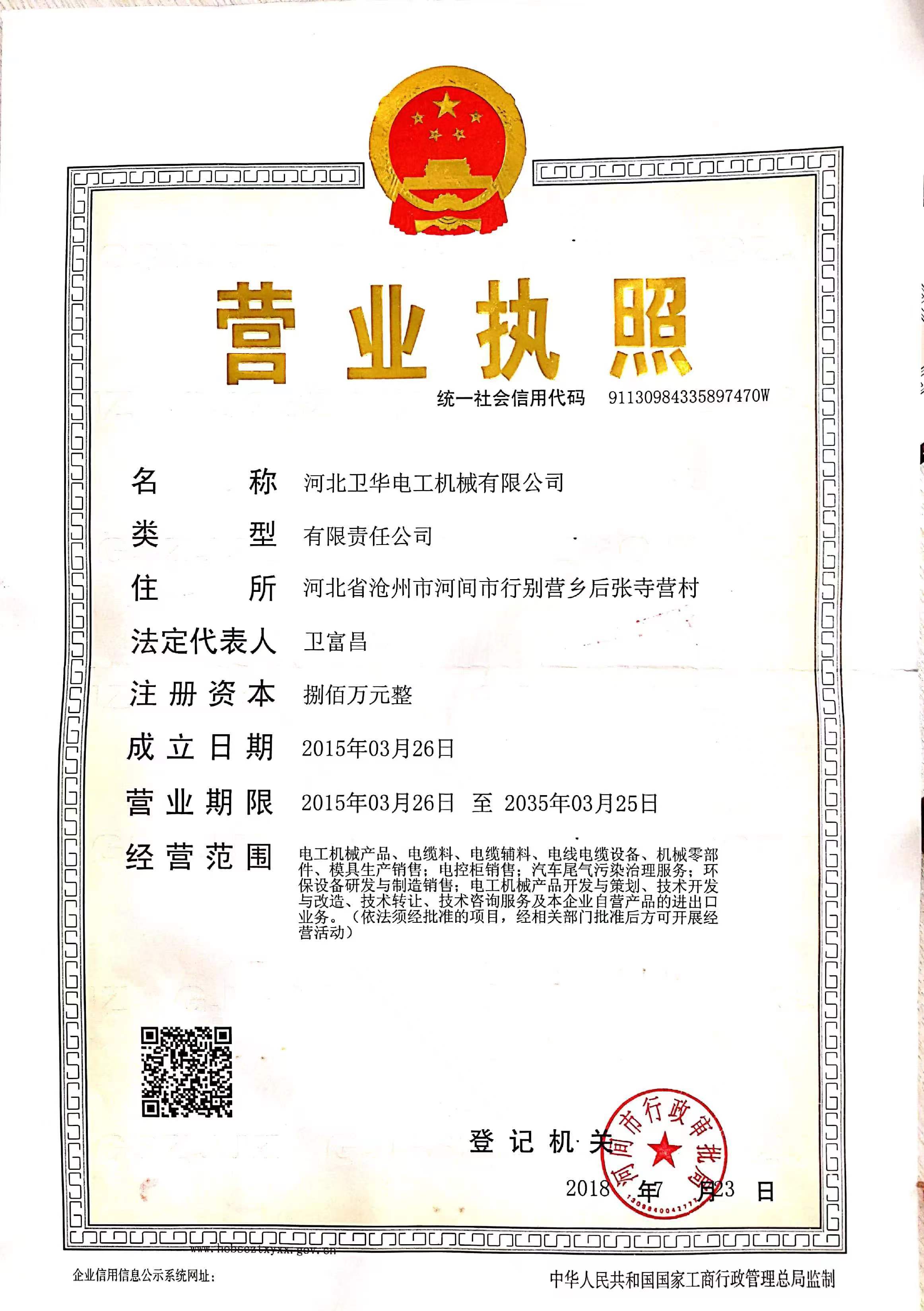
Weihua Electrical Machinery is a professional manufacturer of electrical machinery products integrating design, production, sales and service.




Understanding the Essential Role of a Plastic Extruder in Electrical Wire Production
2025-05-19 14:20

Understanding the Essential Role of a Plastic Extruder in Electrical Wire Production
Introduction to Plastic Extrusion in Electrical Wire Manufacturing
In the world of electrical wire production, plastic extruders play a pivotal role that often goes unnoticed. This article will guide you through the intricate process of how plastic extruders contribute to the manufacturing of electrical wires and cables, emphasizing their importance in ensuring quality, durability, and performance. From understanding the technology behind extrusion to exploring its benefits, we aim to provide a comprehensive overview for professionals and enthusiasts alike.
What is a Plastic Extruder?
A plastic extruder is a sophisticated machine designed to transform raw plastic materials into specific shapes and forms through a process known as extrusion. This process involves melting plastic pellets and forcing them through a die to create continuous lengths of material. In the context of electrical wire production, plastic extruders are essential for the insulation and sheathing of wires, ensuring they meet industry standards for safety and performance.
The Components of a Plastic Extruder
Understanding the components of a plastic extruder is fundamental to grasping its function. The main parts include:
1. Hopper
The hopper serves as the entry point for raw plastic pellets. It ensures a steady flow of material into the extruder.
2. Barrel
The barrel contains a rotating screw that moves the plastic along its length. The screw's design plays a crucial role in melting and mixing the plastic.
3. Die
The die shapes the molten plastic into the desired profile, such as the insulation around electrical wires.
4. Cooling System
After the plastic is extruded, it must be cooled to solidify its shape. The cooling system employs air or water to achieve this.
The Process of Extrusion in Electrical Wire Production
The process of extrusion in electrical wire production can be broken down into several key steps:
1. Material Selection
Choosing the right type of plastic is critical. Common materials include PVC, polyethylene, and thermoplastic elastomers, each offering unique properties suitable for various electrical applications.
2. Preparation of Raw Materials
The raw plastic pellets must be dried and processed to remove any moisture. This step is vital to prevent defects in the final product.
3. Melting and Mixing
Once the raw materials are ready, they are fed into the hopper, where the barrel and screw mechanism work together to melt and mix the plastic evenly.
4. Extrusion through the Die
The molten plastic is then forced through a die that shapes it into the desired form, creating the insulation around the electrical wire.
5. Cooling and Hardening
After exiting the die, the extruded material is cooled using air or water, solidifying its shape for further processing.
6. Quality Control
Finally, the extruded wires undergo rigorous quality checks to ensure they meet industry standards for performance and safety before being cut to length and packaged for distribution.
The Advantages of Using Plastic Extruders in Electrical Wire Production
The integration of plastic extrusion technology in electrical wire manufacturing offers numerous advantages:
1. Consistency and Quality
Extrusion ensures uniform thickness and quality in the insulation of wires, reducing the risk of defects that could lead to electrical failures.
2. Cost-Effectiveness
Using plastic extruders can significantly lower production costs by streamlining the manufacturing process and reducing material waste.
3. Flexibility in Design
With various die shapes and sizes available, plastic extruders allow manufacturers to create custom wire profiles tailored to specific electrical applications.
4. Enhanced Performance
The use of high-quality thermoplastics ensures that the finished electrical wires exhibit excellent electrical insulation properties, thermal stability, and chemical resistance.
Applications of Extruded Electrical Wires and Cables
Extruded electrical wires find applications across various industries, including:
1. Construction
In the construction sector, extruded wires are essential for powering buildings, providing electrical connections for lighting, HVAC systems, and more.
2. Automotive
The automotive industry relies on extruded wires for various applications, including wiring harnesses, sensors, and power distribution systems.
3. Telecommunications
Extruded cables are crucial in telecommunications, providing the necessary connections for data transmission and signal integrity.
4. Consumer Electronics
From smartphones to home appliances, extruded wires are integral to the functionality of consumer electronics.
Choosing the Right Plastic Extruder for Electrical Wire Production
Selecting the right plastic extruder is vital for achieving optimal results in electrical wire production. Key factors to consider include:
1. Production Volume
Understand your production needs. High-volume production may require a more robust extruder capable of sustained operation.
2. Material Compatibility
Ensure that the extruder can handle the specific types of plastic you intend to use, as different materials have varying melting points and flow characteristics.
3. Die Configurations
Evaluate the availability of die configurations suitable for your desired wire shapes and sizes.
4. Automation and Control Features
Advanced plastic extruders offer automation and control features that enhance efficiency and reduce human error in the production process.
Common Challenges in Plastic Extrusion and Solutions
While plastic extrusion is highly efficient, manufacturers may encounter challenges:
1. Material Degradation
Improper temperature control can lead to material degradation. Implementing precise temperature monitoring systems can mitigate this issue.
2. Inconsistent Quality
Variability in raw material quality can affect the final product. Establishing strong supplier relationships and conducting thorough quality checks can help maintain standards.
3. Equipment Maintenance
Regular maintenance of the extruder and associated machinery is essential to prevent breakdowns and ensure consistent performance.
Future Trends in Plastic Extrusion for Electrical Wire Production
As technology advances, new trends in plastic extrusion are emerging:
1. Sustainable Materials
There is a growing trend towards using sustainable and recyclable materials in extrusion processes, driven by environmental concerns and regulatory requirements.
2. Smart Manufacturing
The integration of IoT (Internet of Things) technology in extrusion processes allows for real-time monitoring and data analysis, improving efficiency and reducing downtime.
3. Customization and 3D Printing
The rise of 3D printing in manufacturing offers opportunities for more customized solutions in wire production, allowing for rapid prototyping and design adjustments.
FAQs about Plastic Extruders in Electrical Wire Production
1. What types of plastic are commonly used in electrical wire extrusion?
Common materials include PVC, polyethylene, and thermoplastic elastomers, each chosen based on their specific electrical insulation properties.
2. How does temperature affect the extrusion process?
Temperature plays a critical role in melting and shaping the plastic. Too high or too low temperatures can result in material degradation or poor flow characteristics.
3. Can plastic extrusion be used for other applications besides electrical wires?
Yes, plastic extrusion is utilized in various industries, including packaging, automotive, and construction, for creating products like pipes, profiles, and sheets.
4. How often should plastic extruders be maintained?
Regular maintenance is crucial, typically recommended every few months or based on the machine's usage, to ensure optimal performance and longevity.
5. What are the key benefits of using a plastic extruder in manufacturing?
Benefits include improved consistency, cost-effectiveness, flexibility in design, and enhanced performance of the final products.
Conclusion
The role of a plastic extruder in electrical wire production is indispensable, contributing significantly to the quality, efficiency, and innovation of modern electrical solutions. By understanding the intricacies of the extrusion process, manufacturers can leverage this technology to meet the growing demands of various industries while ensuring safety and performance. As advancements continue to reshape the landscape of manufacturing, embracing these technologies will be crucial for staying competitive in the evolving electrical wire market.
Understanding the Essential Role of a Plastic Extruder in Electrical Wire Production
recommend reading
Key Features to Look for in a Cold Feed Rubber Extruder for Electrical Wiring
Key Features to Look for in a Cold Feed Rubber Extruder for Electrical Wiring Understanding Cold Feed Rubber Extruders Cold feed rubber extruders play a crucial role in the manufacturing of electrical wiring. These machines process raw rubber materials into various forms, ensuring they meet specific standards for electrical applications. Understanding the key features of cold feed rubber extruders
Understanding Rubber Extruders: Key Insights for the Electrical Industry
In the electrical and cable industry, the rubber extruder plays a pivotal role in the manufacturing process, particularly when it comes to producing insulation and jacketing for wires and cables. A rubber extruder is a machine that shapes rubber materials into specific profiles or forms by forcing them through a die. Understanding the fundamentals of rubber extruders can significantly enhance oper
The Essential Guide to Cable Types in Production Lines
The Essential Guide to Cable Types in Production Lines Table of Contents Introduction to Cable Types in Production Lines Understanding Different Types of Cables Single-Core vs. Multi-Core Cables: Which Is Right for You? Types of Cables Commonly Used in Production Lines Power Cables Control Cables Data Cables Specialty Cables
The Essential Role of Plastic Extruders in Cable Manufacturing
Plastic extruders play a pivotal role in the modern manufacturing of electrical wires and cables, particularly in the creation of insulation and protective coatings that ensure durability and performance. These machines are designed to melt plastic pellets and then force the molten material through a die to create continuous shapes, making them indispensable in the production of various cable comp
Comparative Analysis: Different Types of Wire and Cable Extrusion Production Lines
Comparative Analysis: Different Types of Wire and Cable Extrusion Production Lines Introduction to Wire and Cable Extrusion Extrusion is a critical process in the production of wires and cables. This procedure involves forcing molten material through a die to create a continuous product with a fixed cross-sectional profile. In the context of the electrical industry, wires and cables are pivotal fo
Understanding Cold Feed Rubber Extruders: A Key Component in Electrical Wire and Cable Manufacturing
In the realm of electrical wire and cable manufacturing, the cold feed rubber extruder stands out as a pivotal technology. This specialized piece of equipment is designed to process rubber compounds at ambient temperatures, offering several advantages over traditional extrusion methods. Understanding the functionality and benefits of cold feed rubber extruders can help manufacturers optimize their