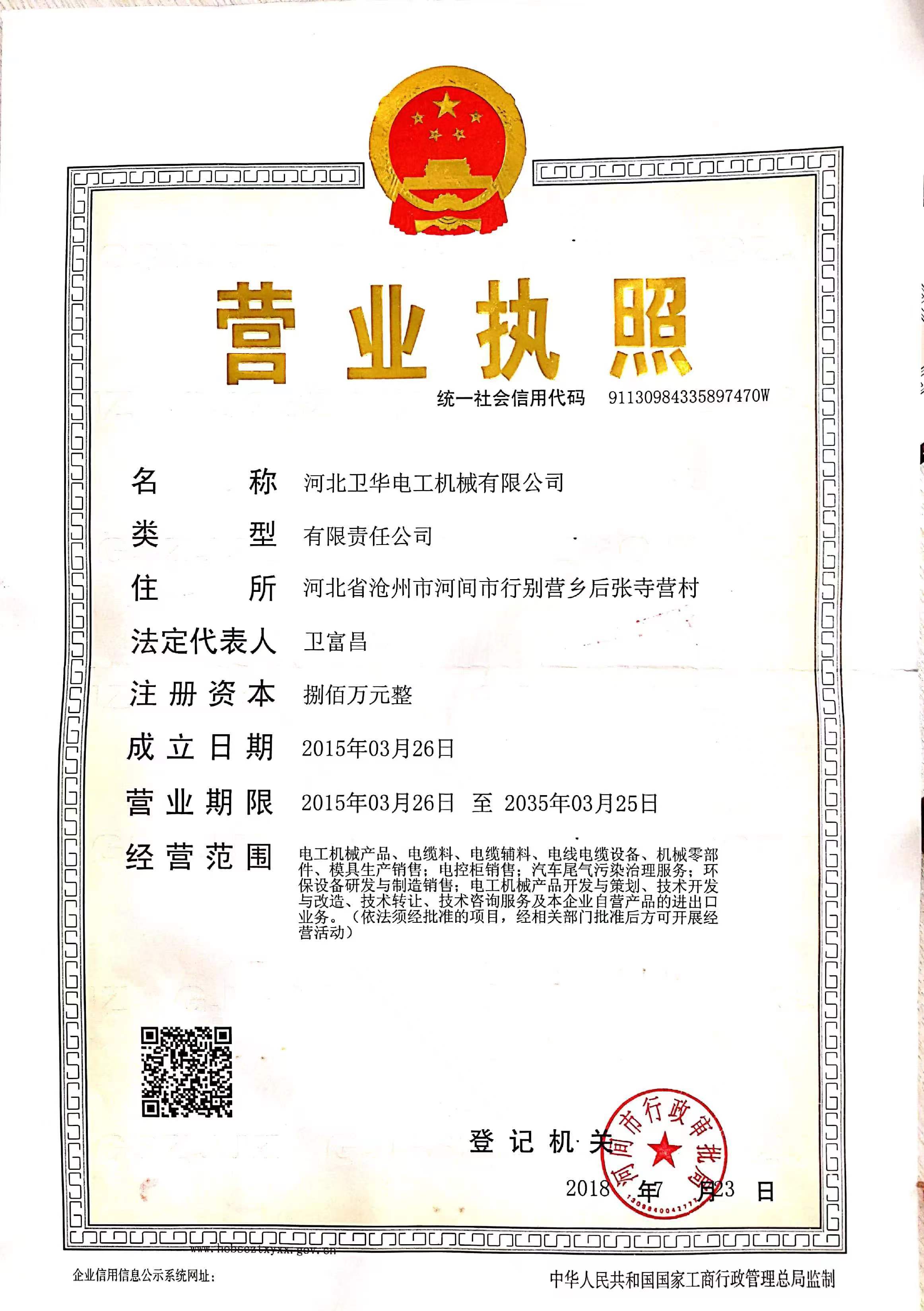
Weihua Electrical Machinery is a professional manufacturer of electrical machinery products integrating design, production, sales and service.




Exploring the Advantages of Cold Feed Rubber Extruders in Electrical Applications
2025-05-17 14:00

Exploring the Advantages of Cold Feed Rubber Extruders in Electrical Applications
Table of Contents
- 1. Introduction to Cold Feed Rubber Extruders
- 2. Understanding the Extrusion Process
- 3. Benefits of Cold Feed Extrusion in Electrical Applications
- 3.1 Enhanced Production Efficiency
- 3.2 Material Compatibility and Versatility
- 3.3 Cost-Effectiveness
- 3.4 Environmental Impact and Sustainability
- 4. Key Applications in the Electrical Industry
- 4.1 Production of Cables and Wires
- 4.2 Manufacturing Insulation Materials
- 4.3 Creating Grommets and Seals
- 5. Case Studies: Success Stories with Cold Feed Rubber Extruders
- 6. Frequently Asked Questions (FAQs)
- 7. Conclusion
1. Introduction to Cold Feed Rubber Extruders
Cold feed rubber extruders represent a pivotal technology in the electrical manufacturing sector. These machines are designed to process various rubber compounds, allowing manufacturers to create high-quality products efficiently. **Understanding their advantages** is crucial for businesses aiming to improve production processes and meet the increasing demands of the electrical industry.
2. Understanding the Extrusion Process
The extrusion process involves forcing a material through a die to create specific shapes and profiles. In the case of cold feed rubber extruders, this technique utilizes **rubber compounds** at ambient temperatures, contrasting with hot feed extruders that require heating the material before processing. This difference in methodology yields significant benefits in terms of product quality and operational efficiency.
3. Benefits of Cold Feed Extrusion in Electrical Applications
The adoption of cold feed rubber extruders in electrical applications comes with a myriad of benefits that contribute to the overall productivity and sustainability of manufacturing processes.
3.1 Enhanced Production Efficiency
Cold feed extruders significantly improve production efficiency by allowing for faster cycle times and reduced downtime. With a more streamlined process, manufacturers can achieve higher output rates, enabling them to meet tight deadlines and increasing overall productivity.
3.2 Material Compatibility and Versatility
These extruders are highly compatible with a wide range of rubber compounds, including **thermoplastic elastomers (TPEs)** and **thermosetting rubbers**. This versatility enables manufacturers to produce various products tailored to specific applications, enhancing their ability to innovate and adapt to market demands.
3.3 Cost-Effectiveness
Investing in cold feed rubber extruders can lead to substantial cost savings for manufacturers. The efficiency gains associated with these machines reduce labor costs and minimize waste, resulting in a lower overall production cost. Additionally, the longevity and durability of the machinery contribute to decreased maintenance expenses.
3.4 Environmental Impact and Sustainability
As industries increasingly prioritize sustainability, cold feed rubber extruders offer an eco-friendly alternative to traditional methods. The lower energy consumption associated with cold feed extrusion contributes to a reduced carbon footprint, positioning companies as environmentally responsible manufacturers.
4. Key Applications in the Electrical Industry
Cold feed rubber extruders find widespread application in various aspects of the electrical industry, enhancing the quality and efficiency of numerous products.
4.1 Production of Cables and Wires
One of the primary applications of cold feed rubber extruders is in the manufacturing of electrical cables and wires. The ability to produce insulation and sheathing materials with precision ensures that these components meet stringent safety standards and perform reliably in a range of environments.
4.2 Manufacturing Insulation Materials
Insulation materials are critical in electrical applications, preventing unintended electrical conduction and protecting against environmental factors. Cold feed rubber extruders enable the creation of **high-performance insulation materials** that exhibit excellent thermal and electrical resistance, ensuring the longevity and effectiveness of electrical systems.
4.3 Creating Grommets and Seals
Grommets and seals play a vital role in ensuring the integrity of electrical connections and protecting sensitive components from moisture and contaminants. Cold feed rubber extruders facilitate the production of durable and reliable grommets and seals, enhancing the overall performance and reliability of electrical devices.
5. Case Studies: Success Stories with Cold Feed Rubber Extruders
Several companies have successfully implemented cold feed rubber extruders in their production lines, showcasing the tangible benefits of this technology.
- **Case Study 1: Enhanced Cable Manufacturing**
A leading cable manufacturer integrated cold feed rubber extruders into its production process, resulting in a 25% increase in output and a significant reduction in material waste. The precise control over material processing allowed for the production of high-quality cables that met stringent industry standards.
- **Case Study 2: Sustainable Insulation Production**
An insulation materials company adopted cold feed technology to enhance its manufacturing process. This transition led to a 30% reduction in energy consumption and a noticeable decrease in the environmental impact of their operations.
6. Frequently Asked Questions (FAQs)
1. What types of materials can be processed with cold feed rubber extruders?
Cold feed rubber extruders can process a variety of rubber compounds, including thermoplastic elastomers and various types of thermosetting rubbers.
2. How do cold feed extruders compare to hot feed extruders?
Cold feed extruders operate at ambient temperatures, which can lead to superior product quality and reduced energy consumption compared to hot feed extruders.
3. What are the primary benefits of using cold feed rubber extruders in manufacturing?
The main benefits include enhanced production efficiency, material versatility, cost-effectiveness, and a reduced environmental impact.
4. In which electrical applications are cold feed rubber extruders most commonly used?
They are primarily used in the production of cables, insulation materials, grommets, and seals.
5. Can cold feed rubber extruders help reduce production costs?
Yes, by increasing efficiency, reducing waste, and minimizing energy consumption, cold feed rubber extruders can significantly lower overall production costs.
7. Conclusion
In summary, cold feed rubber extruders play a crucial role in revolutionizing the electrical manufacturing landscape. Their ability to enhance production efficiency, accommodate a variety of materials, and contribute to sustainability makes them an invaluable asset for companies striving for excellence in their operations. As the electrical industry continues to evolve, embracing innovative technologies like cold feed rubber extrusion will undoubtedly pave the way for smarter, more efficient manufacturing processes that meet the demands of an increasingly competitive market.
Exploring the Advantages of Cold Feed Rubber Extruders in Electrical Applications
recommend reading
Key Features to Look for in a Cold Feed Rubber Extruder for Electrical Wiring
Key Features to Look for in a Cold Feed Rubber Extruder for Electrical Wiring Understanding Cold Feed Rubber Extruders Cold feed rubber extruders play a crucial role in the manufacturing of electrical wiring. These machines process raw rubber materials into various forms, ensuring they meet specific standards for electrical applications. Understanding the key features of cold feed rubber extruders
Understanding Rubber Extruders: Key Insights for the Electrical Industry
In the electrical and cable industry, the rubber extruder plays a pivotal role in the manufacturing process, particularly when it comes to producing insulation and jacketing for wires and cables. A rubber extruder is a machine that shapes rubber materials into specific profiles or forms by forcing them through a die. Understanding the fundamentals of rubber extruders can significantly enhance oper
The Essential Guide to Cable Types in Production Lines
The Essential Guide to Cable Types in Production Lines Table of Contents Introduction to Cable Types in Production Lines Understanding Different Types of Cables Single-Core vs. Multi-Core Cables: Which Is Right for You? Types of Cables Commonly Used in Production Lines Power Cables Control Cables Data Cables Specialty Cables
The Essential Role of Plastic Extruders in Cable Manufacturing
Plastic extruders play a pivotal role in the modern manufacturing of electrical wires and cables, particularly in the creation of insulation and protective coatings that ensure durability and performance. These machines are designed to melt plastic pellets and then force the molten material through a die to create continuous shapes, making them indispensable in the production of various cable comp
Comparative Analysis: Different Types of Wire and Cable Extrusion Production Lines
Comparative Analysis: Different Types of Wire and Cable Extrusion Production Lines Introduction to Wire and Cable Extrusion Extrusion is a critical process in the production of wires and cables. This procedure involves forcing molten material through a die to create a continuous product with a fixed cross-sectional profile. In the context of the electrical industry, wires and cables are pivotal fo
Understanding Cold Feed Rubber Extruders: A Key Component in Electrical Wire and Cable Manufacturing
In the realm of electrical wire and cable manufacturing, the cold feed rubber extruder stands out as a pivotal technology. This specialized piece of equipment is designed to process rubber compounds at ambient temperatures, offering several advantages over traditional extrusion methods. Understanding the functionality and benefits of cold feed rubber extruders can help manufacturers optimize their