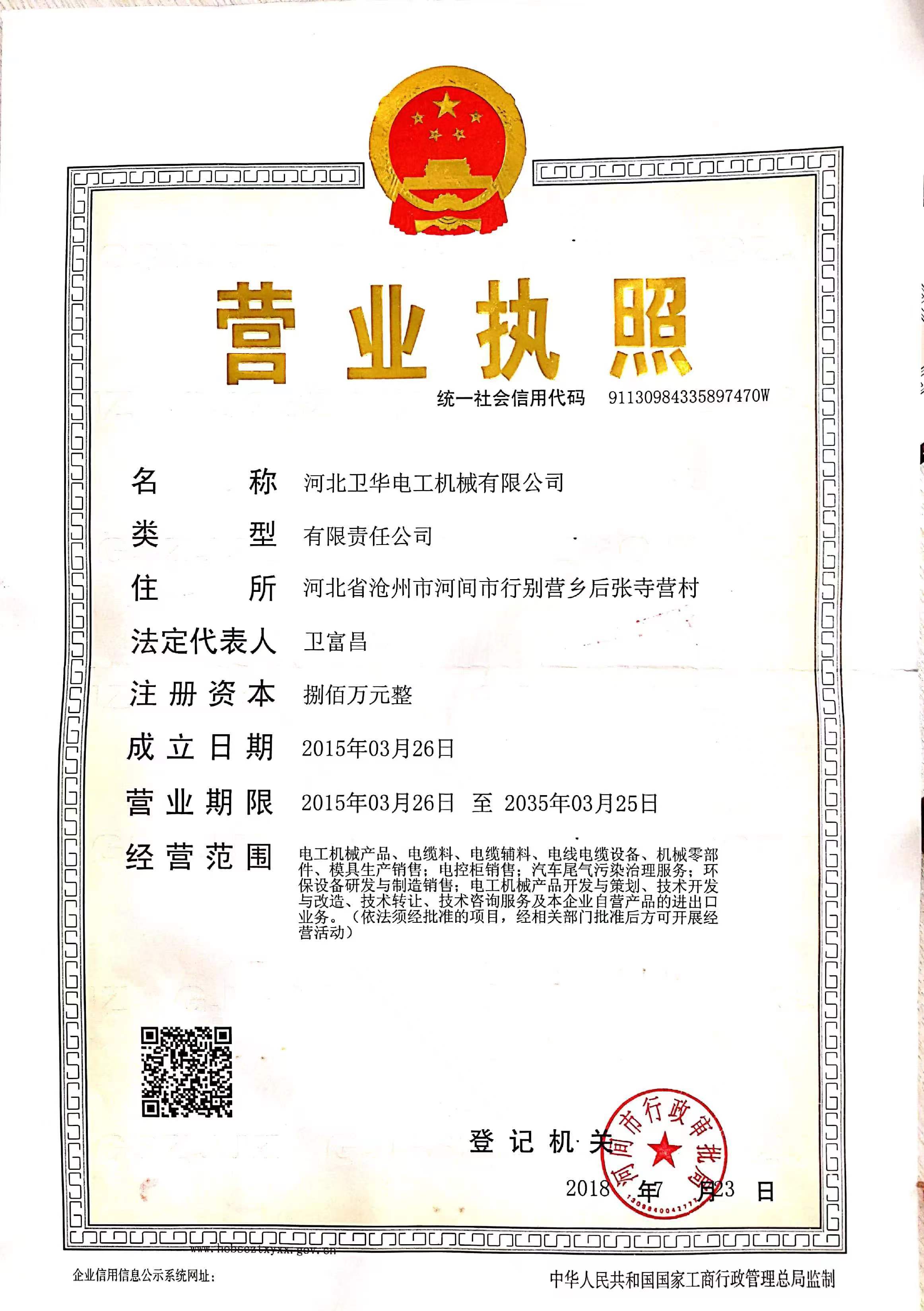
Weihua Electrical Machinery is a professional manufacturer of electrical machinery products integrating design, production, sales and service.




Maximizing Efficiency: The Importance of Wire and Cable Extrusion Production Lines
2025-05-07 18:40

Maximizing Efficiency: The Importance of Wire and Cable Extrusion Production Lines
Table of Contents
- 1. Introduction to Wire and Cable Extrusion
- 2. Understanding the Extrusion Process
- 3. Benefits of Wire and Cable Extrusion Production Lines
- 4. Key Components of Extrusion Production Lines
- 5. Technological Advancements in Extrusion
- 6. Strategies for Maximizing Efficiency
- 7. Challenges in Extrusion Production
- 8. Future Trends in Wire and Cable Production
- 9. Conclusion
- 10. FAQs
1. Introduction to Wire and Cable Extrusion
In the dynamic field of electrical engineering, **wire and cable extrusion** plays a pivotal role in the manufacturing of essential components that power our world. Producers are continually seeking methods to enhance productivity while maintaining high standards of quality. **Extrusion production lines** represent a crucial investment for businesses focused on maximizing efficiency, reducing operational costs, and ensuring consistent output.
This article delves into the significance of wire and cable extrusion production lines, emphasizing their impact on operational efficiency and product quality. By understanding the extrusion process and implementing best practices, manufacturers can navigate the complexities of the industry with confidence.
2. Understanding the Extrusion Process
The **extrusion process** involves forcing heated material through a die to create products with a fixed cross-sectional profile. In the context of wire and cable manufacturing, this technique is essential for shaping insulation, sheathing, and other components.
The Stages of the Extrusion Process
The extrusion process can be broken down into several stages:
1. **Material Preparation**: Raw materials, usually in pellet form, are fed into the extruder. Proper selection and preparation of materials are critical for achieving the desired properties in the final product.
2. **Heating**: The material is heated to a specific temperature, allowing it to become pliable. Accurate temperature control is crucial, as overheating can degrade the material, while insufficient heating can lead to poor flow characteristics.
3. **Extrusion**: The heated material is forced through a die, taking on the desired shape. This step is where the efficiency of the production line can be maximized through optimal pressure and speed adjustments.
4. **Cooling**: After exiting the die, the extruded product is cooled, typically through a water bath or air cooling system. This step solidifies the material's shape.
5. **Cutting and Finishing**: Finally, the extruded material is cut to length and may undergo further processing, such as adding coatings or additional components.
3. Benefits of Wire and Cable Extrusion Production Lines
Investing in state-of-the-art **wire and cable extrusion production lines** presents numerous benefits for manufacturers. Here are some of the standout advantages:
Enhanced Efficiency
**Extrusion production lines** are designed for high throughput, allowing manufacturers to produce large quantities of wire and cable products quickly. Streamlined processes reduce downtime and increase overall operational efficiency.
Cost Reduction
By optimizing material usage and minimizing waste, extrusion production lines can significantly lower manufacturing costs. Efficient processes and less scrap material lead to higher profit margins for manufacturers.
Improved Product Quality
The precision of the extrusion process ensures uniformity in product dimensions and properties. This consistency is vital for meeting industry standards and customer expectations, enhancing the overall quality of the final product.
Versatility
Modern extrusion lines can produce a diverse range of wire and cable products, accommodating various materials and specifications. This flexibility allows manufacturers to adapt quickly to changing market demands.
4. Key Components of Extrusion Production Lines
A successful wire and cable extrusion production line comprises several critical components. Understanding these elements is key to maximizing efficiency and ensuring optimal performance.
Extruder
The extruder is the heart of the production line, responsible for melting the raw material and forcing it through the die. Various types of extruders are available, including single-screw and twin-screw models, each offering distinct advantages based on the materials used.
Die
The die shapes the extruded material into the desired profile. Custom-designed dies allow for the production of specialized wire and cable types, catering to specific industry requirements.
Cooling System
Efficient cooling systems are essential for solidifying the extruded products quickly. The choice between water cooling and air cooling can impact the quality and speed of production.
Cutting System
An effective cutting system ensures precise lengths of the finished products. Automated cutting solutions can enhance efficiency, reducing manual labor and increasing production speed.
5. Technological Advancements in Extrusion
As technology evolves, so too do the capabilities of wire and cable extrusion production lines. Significant advancements have been made in various areas, enhancing efficiency and product quality.
Automation and Control Systems
Modern extrusion lines often incorporate advanced automation and control systems that enable real-time monitoring and adjustments during the production process. These systems help maintain optimal conditions, improving consistency and reducing errors.
Data Analytics
Utilization of data analytics in extrusion production allows manufacturers to identify inefficiencies and areas for improvement. By analyzing production metrics, companies can make informed decisions that lead to enhanced performance.
Material Science Innovations
Advancements in material science have led to the development of new formulations that enhance the properties of wire and cable products. These innovations can improve durability, flexibility, and resistance to environmental factors.
6. Strategies for Maximizing Efficiency
Maximizing efficiency in wire and cable extrusion production lines requires a comprehensive approach. Here are several strategies that can lead to significant improvements.
Regular Maintenance
Establishing a routine maintenance schedule for equipment can prevent unexpected breakdowns and production delays. Regular checks of critical components, such as extruders and dies, ensure they operate at peak performance.
Employee Training
Investing in employee training is essential. Well-trained operators are better equipped to manage the extrusion process, quickly troubleshoot issues, and implement best practices for efficiency.
Lean Manufacturing Principles
Adopting lean manufacturing principles can streamline operations by eliminating waste and optimizing resource usage. Techniques such as just-in-time inventory can improve efficiency and reduce storage costs.
7. Challenges in Extrusion Production
While extrusion production lines offer significant advantages, they are not without challenges. Addressing these hurdles is crucial for maintaining efficiency and product quality.
Material Variability
Variability in raw materials can impact the extrusion process. Consistent supply and quality control measures are essential to mitigate these challenges.
Technical Complexity
Modern extrusion systems can be complex, requiring specialized knowledge for operation and maintenance. Manufacturers must ensure their teams are equipped with the necessary skills to manage these advanced technologies.
8. Future Trends in Wire and Cable Production
Looking ahead, several trends are poised to shape the future of wire and cable extrusion production lines.
Sustainability
As industries focus on sustainability, the demand for eco-friendly materials and processes is likely to grow. Extrusion lines will need to adapt to meet these changing requirements.
Increased Automation
The trend toward increased automation will continue, with more manufacturers integrating advanced robotics and artificial intelligence into their operations. This shift will enhance efficiency and reduce labor costs.
Smart Manufacturing
The rise of smart manufacturing will lead to more interconnected systems within extrusion production lines. Real-time data sharing will enable more responsive and adaptive manufacturing processes.
9. Conclusion
Wire and cable extrusion production lines are indispensable in the quest for enhanced operational efficiency and product quality. By understanding the intricacies of the extrusion process and implementing strategies for optimization, manufacturers can significantly improve their production capabilities. With advancements in technology and an unwavering focus on sustainability, the future of wire and cable extrusion promises to be innovative and efficient.
10. FAQs
What types of materials are used in wire and cable extrusion?
Common materials include PVC, polyethylene, and thermoplastic elastomers, each chosen for their specific properties and applications.
How does automation improve extrusion production efficiency?
Automation allows for real-time monitoring and adjustments, minimizing human error and optimizing production parameters for maximum output.
What are the most significant challenges in extrusion production?
Challenges include material variability, technical complexity, and the need for ongoing employee training and equipment maintenance.
How can manufacturers ensure the quality of extruded products?
Implementing strict quality control measures, regular equipment maintenance, and using high-quality raw materials are essential for maintaining product quality.
What is the future of wire and cable extrusion technology?
The future will likely see increased automation, smart manufacturing practices, and a greater emphasis on sustainable materials and processes.
By focusing on maximizing efficiency and staying abreast of industry trends, manufacturers can position themselves for success in the ever-evolving world of wire and cable production.
Maximizing Efficiency: The Importance of Wire and Cable Extrusion Production Lines
recommend reading
Key Features to Look for in a Cold Feed Rubber Extruder for Electrical Wiring
Key Features to Look for in a Cold Feed Rubber Extruder for Electrical Wiring Understanding Cold Feed Rubber Extruders Cold feed rubber extruders play a crucial role in the manufacturing of electrical wiring. These machines process raw rubber materials into various forms, ensuring they meet specific standards for electrical applications. Understanding the key features of cold feed rubber extruders
Understanding Rubber Extruders: Key Insights for the Electrical Industry
In the electrical and cable industry, the rubber extruder plays a pivotal role in the manufacturing process, particularly when it comes to producing insulation and jacketing for wires and cables. A rubber extruder is a machine that shapes rubber materials into specific profiles or forms by forcing them through a die. Understanding the fundamentals of rubber extruders can significantly enhance oper
The Essential Guide to Cable Types in Production Lines
The Essential Guide to Cable Types in Production Lines Table of Contents Introduction to Cable Types in Production Lines Understanding Different Types of Cables Single-Core vs. Multi-Core Cables: Which Is Right for You? Types of Cables Commonly Used in Production Lines Power Cables Control Cables Data Cables Specialty Cables
The Essential Role of Plastic Extruders in Cable Manufacturing
Plastic extruders play a pivotal role in the modern manufacturing of electrical wires and cables, particularly in the creation of insulation and protective coatings that ensure durability and performance. These machines are designed to melt plastic pellets and then force the molten material through a die to create continuous shapes, making them indispensable in the production of various cable comp
Comparative Analysis: Different Types of Wire and Cable Extrusion Production Lines
Comparative Analysis: Different Types of Wire and Cable Extrusion Production Lines Introduction to Wire and Cable Extrusion Extrusion is a critical process in the production of wires and cables. This procedure involves forcing molten material through a die to create a continuous product with a fixed cross-sectional profile. In the context of the electrical industry, wires and cables are pivotal fo
Understanding Cold Feed Rubber Extruders: A Key Component in Electrical Wire and Cable Manufacturing
In the realm of electrical wire and cable manufacturing, the cold feed rubber extruder stands out as a pivotal technology. This specialized piece of equipment is designed to process rubber compounds at ambient temperatures, offering several advantages over traditional extrusion methods. Understanding the functionality and benefits of cold feed rubber extruders can help manufacturers optimize their