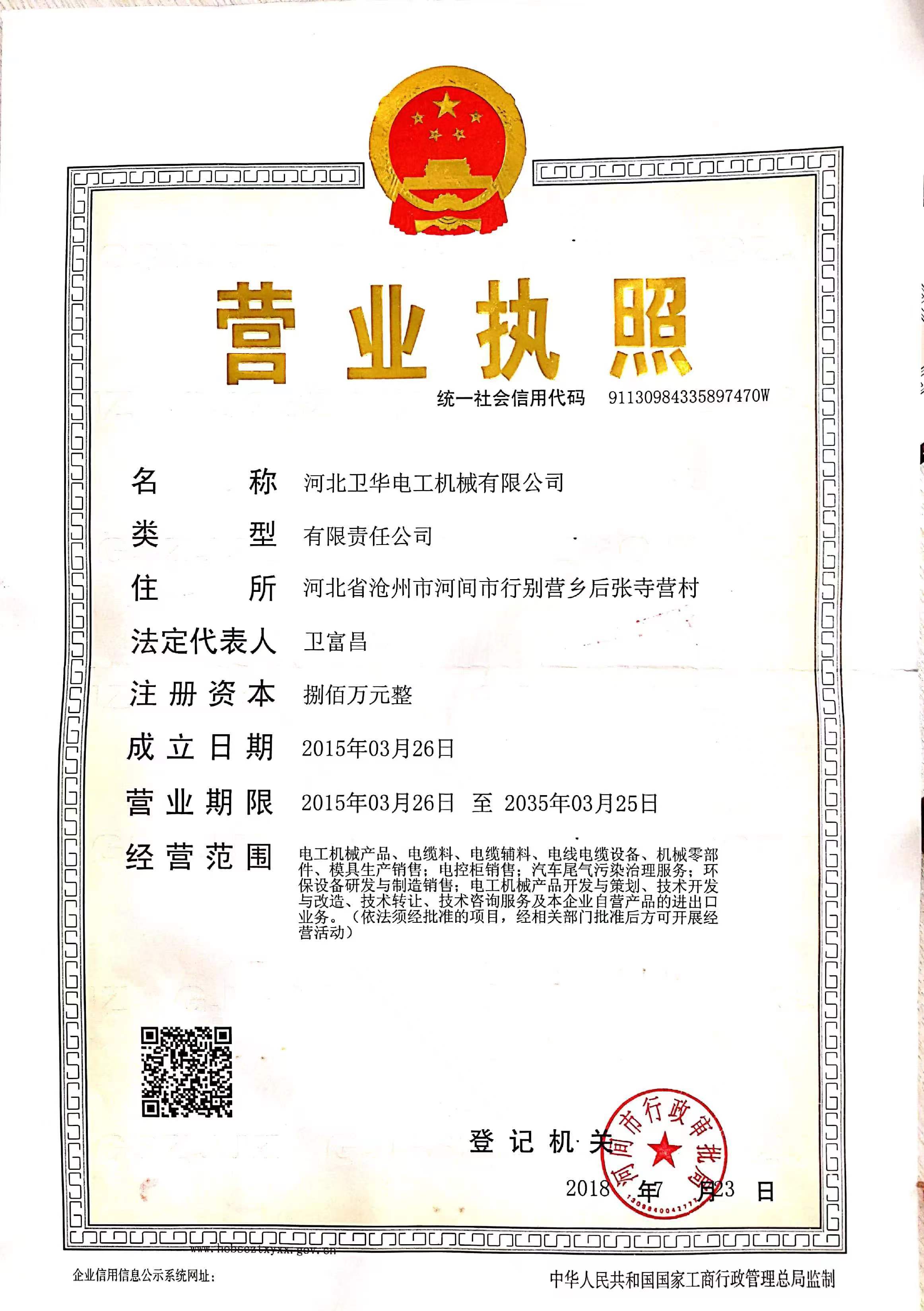
Weihua Electrical Machinery is a professional manufacturer of electrical machinery products integrating design, production, sales and service.




The Essential Role of Rubber Extruders in Electrical Wire and Cable Manufacturing
2026-01-27 09:40

At its core, a rubber extruder operates through a series of stages, including material feeding, heating, melting, and forming. The process begins with raw rubber compounds being fed into the extruder. Once in the machine, the materials are heated to a specific temperature, making them pliable. The screw within the extruder then pushes the softened rubber through a die, creating a continuous shape, such as a cable or wire insulation. This extrusion process is instrumental in achieving uniform thickness and consistent material properties, which are essential for the reliability of electrical cables.
One of the primary advantages of using rubber extruders in cable manufacturing is the ability to customize the insulation materials. Different applications require distinct characteristics, such as flexibility, heat resistance, and chemical resistance. By adjusting the formulation of the rubber and modifying the extrusion parameters, manufacturers can produce wires that meet specific industry standards and customer requirements.
Quality assurance is another critical aspect where rubber extruders contribute significantly. The extrusion process allows for real-time monitoring of material properties, ensuring that the final product adheres to rigorous quality standards. This capability is vital in the electrical industry, where insulation failures can lead to safety hazards and operational inefficiencies. By employing advanced extrusion technologies, manufacturers can enhance the durability and reliability of their products, ultimately increasing customer satisfaction.
Moreover, the evolution of rubber extruder technology has led to increased efficiency and lower production costs. Modern extruders are equipped with advanced controls, enabling tighter tolerances and faster production rates. This improvement not only enhances productivity but also minimizes waste, making the manufacturing process more sustainable.
In summary, rubber extruders are indispensable in the manufacturing of electrical wires and cables. They facilitate the production of high-quality insulation materials, ensuring that electrical conductors are safe and efficient. As technology continues to advance, the capabilities of rubber extruders will likely expand further, providing even more opportunities for innovation in the electrical engineering industry. By understanding the vital role of rubber extruders, professionals in the field can better appreciate the complexities of wire and cable production and the importance of maintaining high standards in their manufacturing processes.
The Essential Role of Rubber Extruders in Electrical Wire and Cable Manufacturing
recommend reading
Key Features to Look for in a Cold Feed Rubber Extruder for Electrical Wiring
Key Features to Look for in a Cold Feed Rubber Extruder for Electrical Wiring Understanding Cold Feed Rubber Extruders Cold feed rubber extruders play a crucial role in the manufacturing of electrical wiring. These machines process raw rubber materials into various forms, ensuring they meet specific standards for electrical applications. Understanding the key features of cold feed rubber extruders
Understanding Rubber Extruders: Key Insights for the Electrical Industry
In the electrical and cable industry, the rubber extruder plays a pivotal role in the manufacturing process, particularly when it comes to producing insulation and jacketing for wires and cables. A rubber extruder is a machine that shapes rubber materials into specific profiles or forms by forcing them through a die. Understanding the fundamentals of rubber extruders can significantly enhance oper
The Essential Guide to Cable Types in Production Lines
The Essential Guide to Cable Types in Production Lines Table of Contents Introduction to Cable Types in Production Lines Understanding Different Types of Cables Single-Core vs. Multi-Core Cables: Which Is Right for You? Types of Cables Commonly Used in Production Lines Power Cables Control Cables Data Cables Specialty Cables
The Essential Role of Plastic Extruders in Cable Manufacturing
Plastic extruders play a pivotal role in the modern manufacturing of electrical wires and cables, particularly in the creation of insulation and protective coatings that ensure durability and performance. These machines are designed to melt plastic pellets and then force the molten material through a die to create continuous shapes, making them indispensable in the production of various cable comp
Comparative Analysis: Different Types of Wire and Cable Extrusion Production Lines
Comparative Analysis: Different Types of Wire and Cable Extrusion Production Lines Introduction to Wire and Cable Extrusion Extrusion is a critical process in the production of wires and cables. This procedure involves forcing molten material through a die to create a continuous product with a fixed cross-sectional profile. In the context of the electrical industry, wires and cables are pivotal fo
Understanding Cold Feed Rubber Extruders: A Key Component in Electrical Wire and Cable Manufacturing
In the realm of electrical wire and cable manufacturing, the cold feed rubber extruder stands out as a pivotal technology. This specialized piece of equipment is designed to process rubber compounds at ambient temperatures, offering several advantages over traditional extrusion methods. Understanding the functionality and benefits of cold feed rubber extruders can help manufacturers optimize their