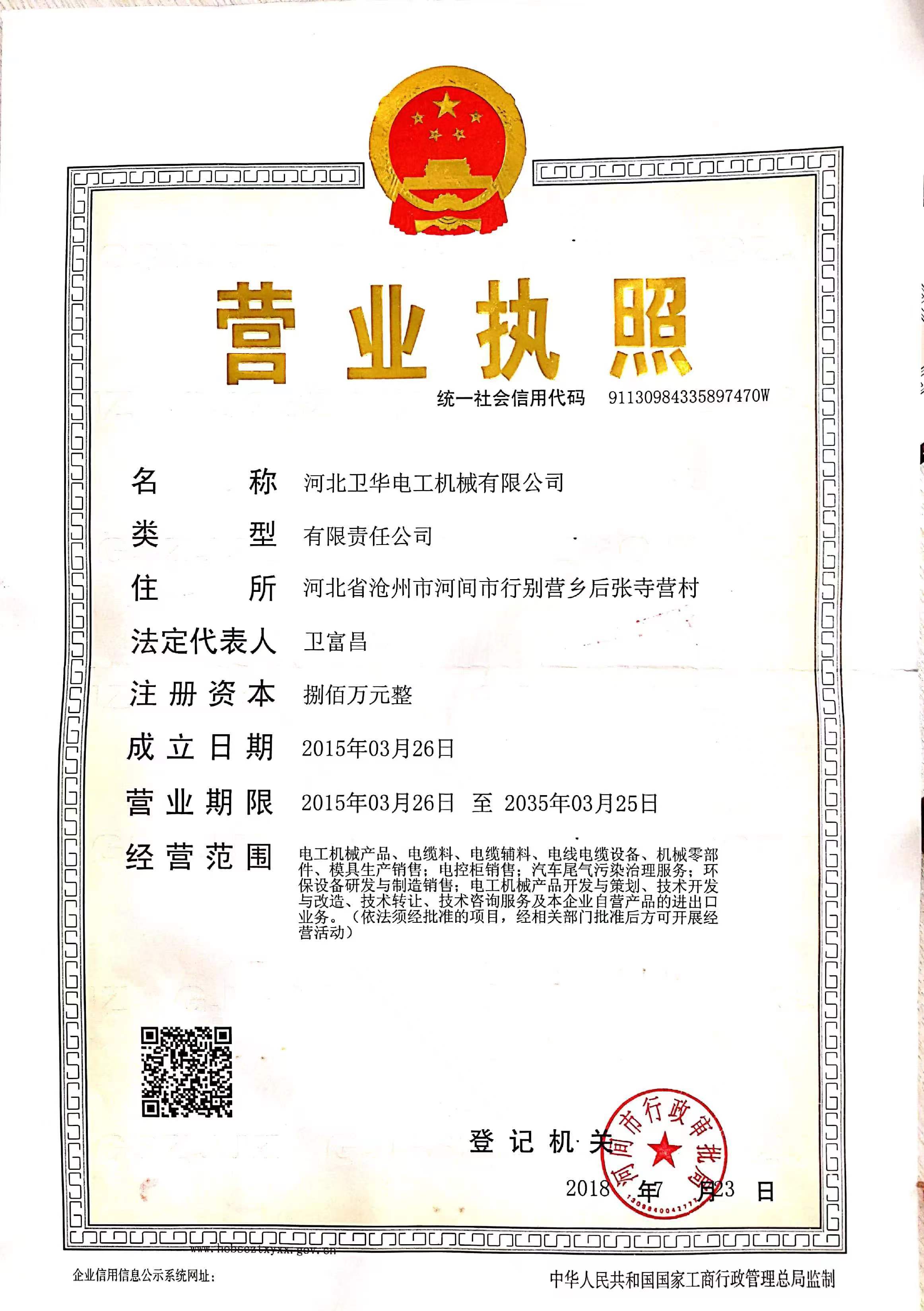
Weihua Electrical Machinery is a professional manufacturer of electrical machinery products integrating design, production, sales and service.




Innovations in Rubber Extrusion Technology for Electrical Wires: Revolutionizing the Electrical Industry
2026-07-22 09:10

Innovations in Rubber Extrusion Technology for Electrical Wires
Table of Contents
- 1. Introduction to Rubber Extrusion Technology
- 2. The Importance of Rubber in Electrical Wires
- 3. Historical Development of Rubber Extrusion Techniques
- 4. Current Innovations in Rubber Extrusion Technology
- 5. Advanced Materials Used in Rubber Extrusion
- 6. The Role of Sustainability in Rubber Extrusion
- 7. Future Trends in Rubber Extrusion Technology
- 8. Conclusion
- 9. Frequently Asked Questions
1. Introduction to Rubber Extrusion Technology
Rubber extrusion technology plays a crucial role in the manufacturing of electrical wires. This innovative process involves shaping rubber into various forms to create protective and insulating coverings for electrical conductors. As electrical demands increase globally, the significance of advanced rubber extrusion techniques becomes paramount. In this article, we will explore the latest innovations that are enhancing the production processes, materials, and applications specific to electrical wires.
2. The Importance of Rubber in Electrical Wires
Rubber serves as an essential component in the electrical industry due to its excellent insulating properties. It protects electrical conductors from moisture, chemicals, and physical damage. The importance of rubber extends beyond mere insulation; it also contributes to the overall durability and flexibility of electrical wires. With innovations in rubber extrusion technology, the following benefits are evident:
Enhanced Insulation
The primary function of rubber in electrical wiring is insulation. Enhanced rubber materials can withstand higher temperatures and resist degradation over time, ensuring long-lasting performance.
Improved Flexibility
Modern rubber extrusion processes allow for greater flexibility in wire design, which is crucial for applications in tight spaces or dynamic environments.
Increased Durability
Innovative compounds used in rubber extrusion enhance the durability of electrical wires, making them resistant to wear and tear, UV exposure, and environmental factors.
3. Historical Development of Rubber Extrusion Techniques
The journey of rubber extrusion technology dates back to the early 19th century with the discovery of vulcanization. Initial methods were rudimentary, focusing primarily on the physical properties of rubber. Over the decades, advancements in machinery and material science led to significant improvements in the extrusion process.
Early Innovations
In the early days, rubber was primarily extruded through simple dies. The 20th century brought about the development of more sophisticated machinery that allowed for better control of temperature and pressure during extrusion.
Modern Advancements
Today, computer-controlled extrusion systems enable precision in the production of electrical wires. These systems optimize the extrusion parameters, leading to lower waste and improved product quality.
4. Current Innovations in Rubber Extrusion Technology
The electrical industry is currently witnessing several innovations that are transforming rubber extrusion technology. These advancements focus on efficiency, quality, and sustainability.
Smart Extrusion Systems
The integration of IoT (Internet of Things) in manufacturing enhances monitoring and control during the extrusion process. Smart systems can detect anomalies, adjust parameters in real-time, and reduce downtime.
3D Printing in Wire Production
The advent of 3D printing technology is revolutionizing rubber extrusion. This innovative approach allows manufacturers to create complex geometries and customized wire designs that were previously impossible with conventional methods.
Automation and Robotics
Automation in rubber extrusion minimizes human error and increases production speed. Robotic systems can handle repetitive tasks, allowing operators to focus on quality control and innovation.
5. Advanced Materials Used in Rubber Extrusion
Recent innovations in materials science have led to the development of high-performance rubber compounds specifically designed for electrical applications.
Thermoplastic Elastomers (TPE)
TPEs combine the properties of rubber and plastic, offering excellent insulation and flexibility. They are becoming increasingly popular in the production of electrical wires due to their recyclability and ease of processing.
Silicone Rubber
Silicone rubber is widely used in applications requiring high-temperature resistance. Its excellent electrical insulation properties make it ideal for wires used in harsh environments.
Flame-Retardant Rubber Compounds
With increased safety regulations, flame-retardant compounds are now being incorporated into rubber extrusion for electrical wires. These materials significantly reduce the risk of fire hazards.
6. The Role of Sustainability in Rubber Extrusion
Sustainability has become a critical focus in the electrical industry. Innovations in rubber extrusion technology are aligning with global efforts to reduce environmental impact.
Recyclable Materials
The development of recyclable rubber compounds helps minimize waste and promotes a circular economy. Manufacturers are increasingly exploring ways to incorporate recycled materials into their products.
Energy-Efficient Processes
Modern extrusion technologies emphasize energy efficiency. Manufacturers are investing in energy-saving machinery and processes to reduce their carbon footprint.
Life Cycle Assessment (LCA)
Adopting LCA methodologies allows manufacturers to evaluate the environmental impact of rubber extrusion processes from raw material extraction to end-of-life disposal. This assessment is crucial for making informed decisions about sustainable practices.
7. Future Trends in Rubber Extrusion Technology
Looking ahead, the rubber extrusion industry is poised for further advancements driven by technological innovation and market demands.
Customization and Personalization
As consumer expectations evolve, manufacturers will likely focus on creating personalized wire solutions. Customization options will cater to specific applications, enhancing user satisfaction.
Integration with Renewable Energy
With the shift towards renewable energy sources, rubber extrusion technology will play a vital role in developing wires for solar panels and wind turbines. Innovations will focus on insulation materials that withstand extreme conditions.
Digital Transformation
The digital transformation of manufacturing processes will continue to shape rubber extrusion technology. Data analytics, machine learning, and AI will be critical in optimizing production and improving product performance.
8. Conclusion
The advancements in rubber extrusion technology are revolutionizing the production of electrical wires. With enhanced materials, smart manufacturing techniques, and a focus on sustainability, the industry is well-equipped to meet the challenges of the future. As innovation continues to drive progress, manufacturers must stay ahead of trends to ensure the delivery of high-quality, reliable electrical solutions.
9. Frequently Asked Questions
What is rubber extrusion technology?
Rubber extrusion technology is a manufacturing process that shapes rubber into specific forms, primarily for creating insulation and protective coverings for electrical wires.
What are the benefits of using rubber in electrical wires?
Rubber provides excellent insulation, flexibility, and durability, protecting electrical conductors from environmental damage and ensuring long-lasting performance.
How has rubber extrusion technology evolved over time?
Rubber extrusion technology has evolved from simple manual processes to advanced automated systems, incorporating IoT and 3D printing to enhance efficiency and precision.
What are the latest materials used in rubber extrusion?
Recent innovations include thermoplastic elastomers, silicone rubber, and flame-retardant compounds, all designed to improve performance and safety in electrical applications.
How is sustainability being addressed in rubber extrusion technology?
Manufacturers are focusing on recyclable materials, energy-efficient processes, and life cycle assessments to minimize environmental impact and promote sustainable practices.
Innovations in Rubber Extrusion Technology for Electrical Wires: Revolutionizing the Electrical Industry
recommend reading
Understanding Cold Feed Rubber Extruders: A Key Component in Wire and Cable Manufacturing
Cold feed rubber extruders are vital machinery in the field of electrical wiring and cable manufacturing, enabling the effective processing of rubber compounds to produce high-quality insulation and sheathing materials. These machines operate on a principle that differs significantly from traditional hot feed extruders, allowing for the direct feeding of uncured rubber into the extruder without th
Innovations in Rubber Extrusion Technology for Electrical Wires Table of Contents 1. Introduction to Rubber Extrusion Technology 2. The Importance of Rubber in Electrical Wires 3. Historical Development of Rubber Extrusion Techniques 4. Current Innovations in Rubber Extrusion Technology 5. Advanced Materials Used in Rubber Extrusion 6. The Role of Sustainability in Rubber
Innovative Insights into Cable Production Lines: Enhancing Efficiency and Quality
In the electrical and electronics industry, the cable production line plays a crucial role in determining the quality and efficiency of the final product. Understanding the various elements of this production line is essential for professionals looking to optimize their operations. A typical cable production line comprises several key processes, including wire preparation, insulation application,
The Science Behind Plastic Extrusion in Electrical Wire Creation
The Science Behind Plastic Extrusion in Electrical Wire Creation Table of Contents 1. Introduction to Plastic Extrusion in Electrical Wire Manufacturing 2. Understanding the Basics of Plastic Extrusion 3. The Materials Used in Electrical Wires 3.1 Types of Plastics in Electrical Wire Production 3.2 Importance of Insulation Materials 4. The Plastic Extrusion Process Explained 4.1 St
Understanding the Essentials of Wire and Cable Extrusion Production Lines
The wire and cable extrusion production line is a crucial system in the electrical and electronics industry, specifically for manufacturing various types of wires and cables. This production line is designed to process raw materials, such as thermoplastics and rubber, into finished products with precise dimensions and high quality. Understanding the intricacies of this production line can signific
Key Features to Look for in a Cold Feed Rubber Extruder for Electrical Wiring
Key Features to Look for in a Cold Feed Rubber Extruder for Electrical Wiring Understanding Cold Feed Rubber Extruders Cold feed rubber extruders play a crucial role in the manufacturing of electrical wiring. These machines process raw rubber materials into various forms, ensuring they meet specific standards for electrical applications. Understanding the key features of cold feed rubber extruders